The Museum of Misinformation:
An Interactive Exhibit Illuminating the Effects of Social Media Algorithms on Cognitive Bias and the Spread of Misinformation

THE PROBLEM
Due to the recent rise of social media being positioned as a news source, forms of misinformation have been disseminated at an alarming rate. Because social media allows fact and fiction to live side by side while implementing an algorithm that builds off of and amplifies confirmation biases, millennials’ ability to analytically assess information has been impaired. This results in the direct perpetuation of misinformation which serves as a threat not only to the individual but the democracies in which they live. In order to slow the spread of misinformation, individuals must become aware of how social media algorithms amplify their own biases.
To better understand the complex topics such as the psychology of misinformation, the role that social media plays in the spread of misinformation, and why this affects millennials, a literature review was completed. Scholarly articles, case studies, and key masters in the field were consulted and used to formulate an in-depth research approach. Additional research methods such as visual analysis and imageboards were used.
THE SOLUTION
After taking into consideration the research completed in the literature review, case studies, and visual analysis, a visual solution was created. The solution was:
The Museum of Misinformation:
An interactive exhibit that uses tactile elements and humor to educate millennials on how social media platforms encourage the spread of misinformation through their algorithms that reinforce confirmation bias. The interactive exhibit broke down the problem into 7 sections, each with its own unique interactive component to help further educate and raise awareness
Confirmation bias
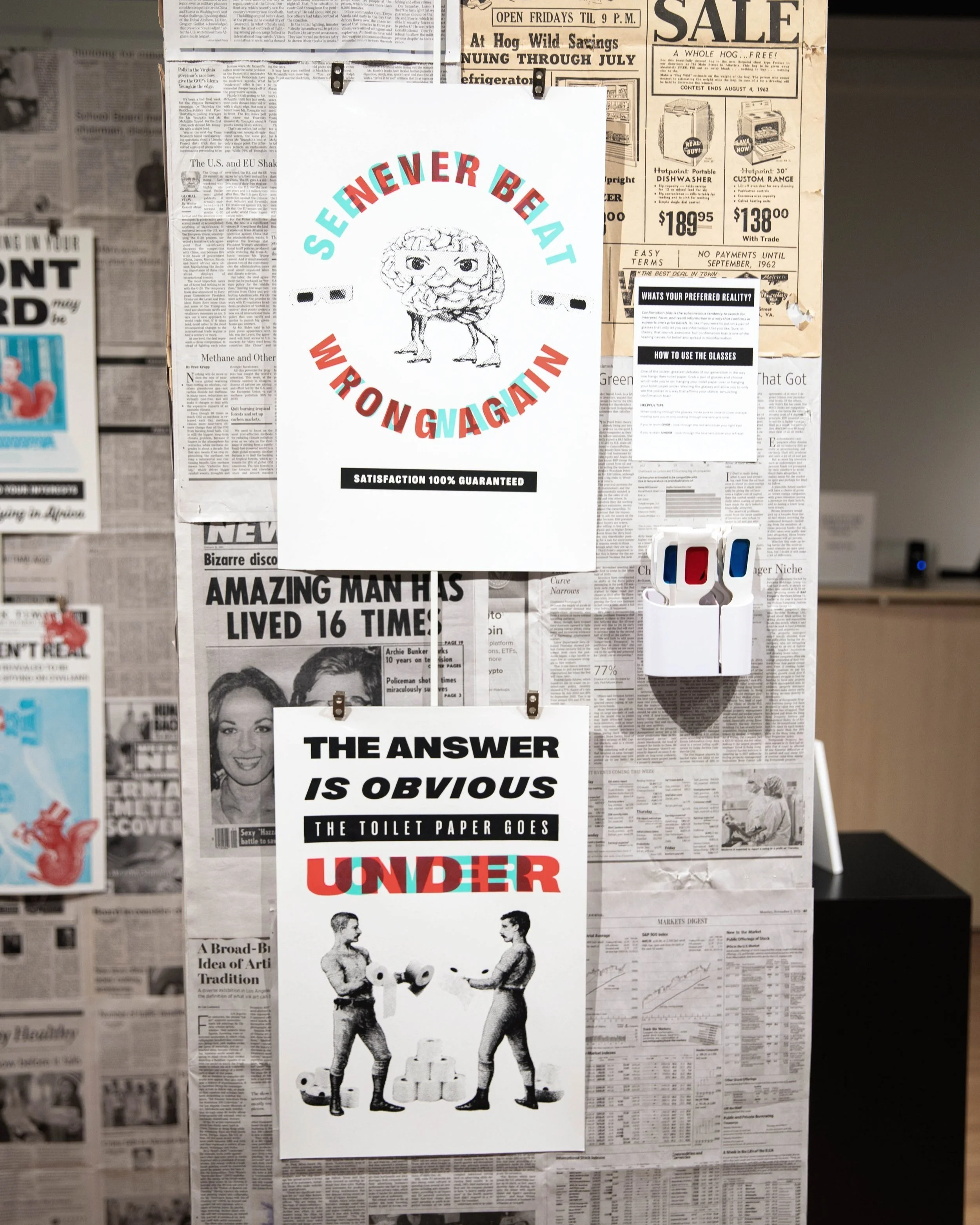
A series of interactive screen-printed anaglyph posters that let users put on glasses and visually experience how confirmation bias works.
Confirmation Bias
Confirmation bias is the unconscious tendency to favor, interpret, and seek out information in such a way that it reinforces a pre-existing belief.
To visually demonstrate how confirmation bias works, screen-printed anaglyph posters were created. Before the viewer interacts with the posters they are encouraged to pick a side on a hot topic: which way they hang their toilet paper, over or under. Depending on which side they choose, they are instructed to view the posters through a specific color lense in the provided 3D glasses. The messages on the poster then change, depending on which color lense of the glasses they look through.


posters in action with glasses


Everyone's a Journalist
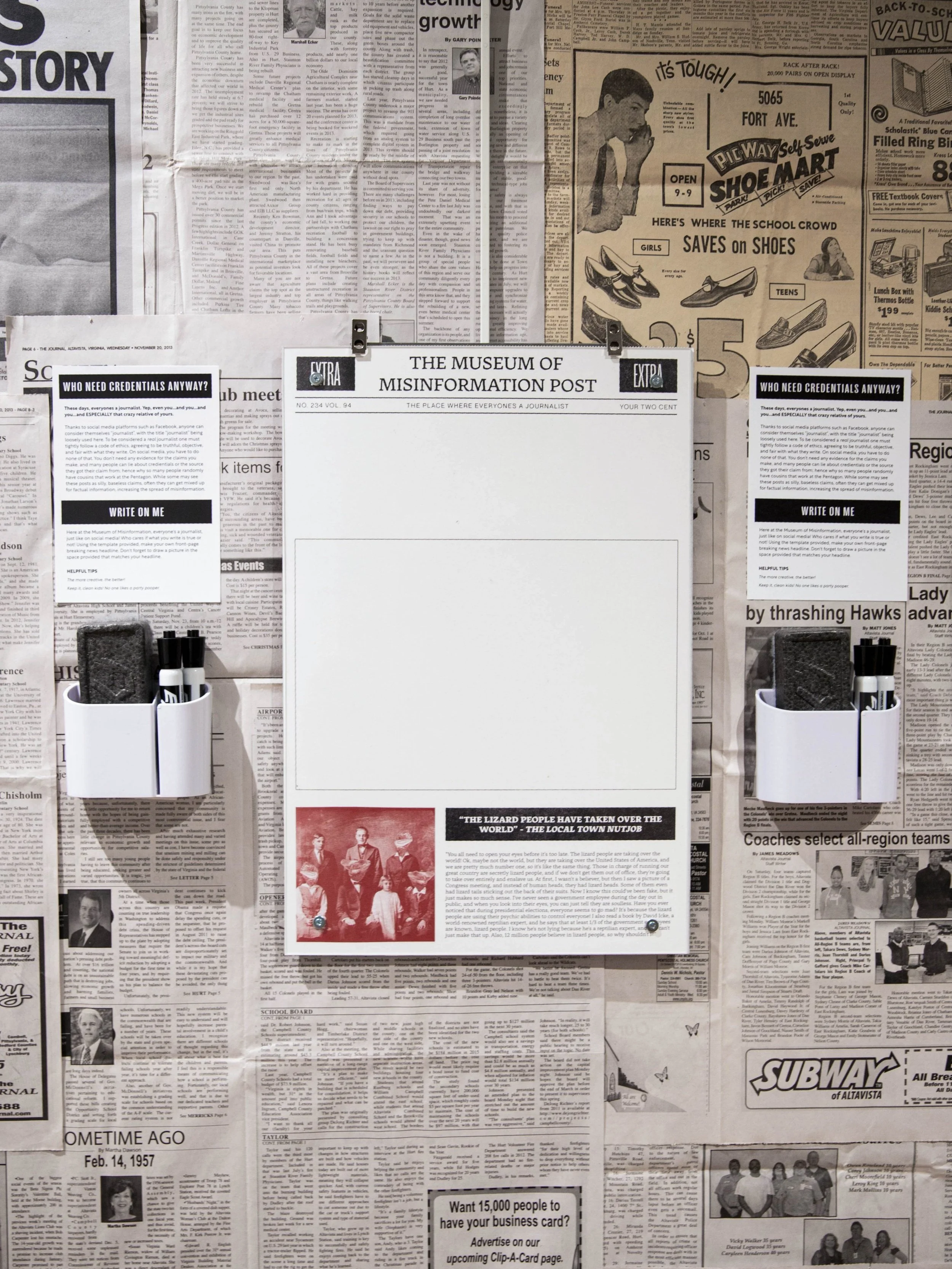
An interactive station that allows users to create their own front-page news story replicating how social media allows everyone to call themselves a journalist.
everyones a journalist
Social media has allowed every user to become a self-proclaimed journalist. The platform is designed to let anyone post anything, regardless of whether it is backed by fact or not
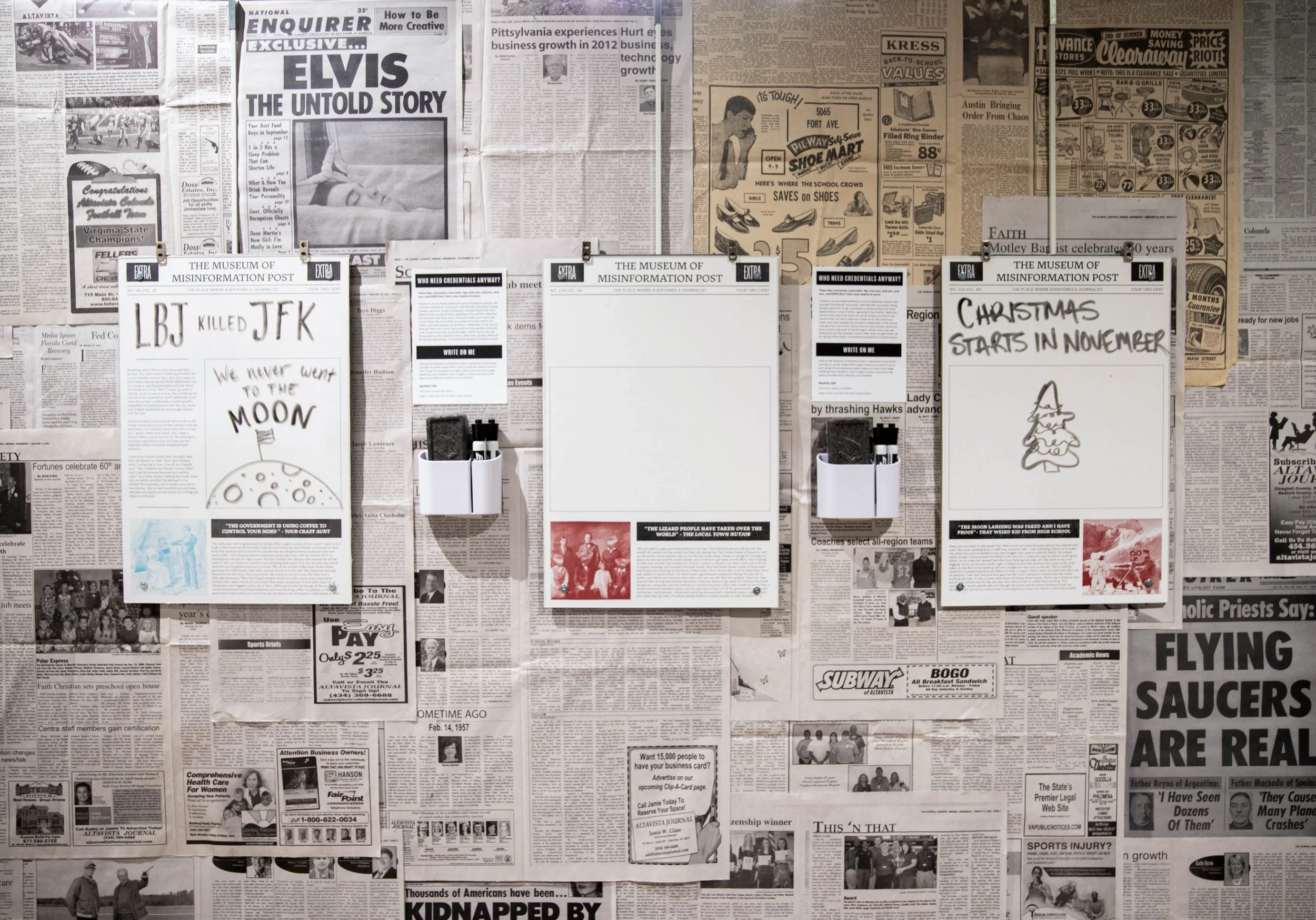
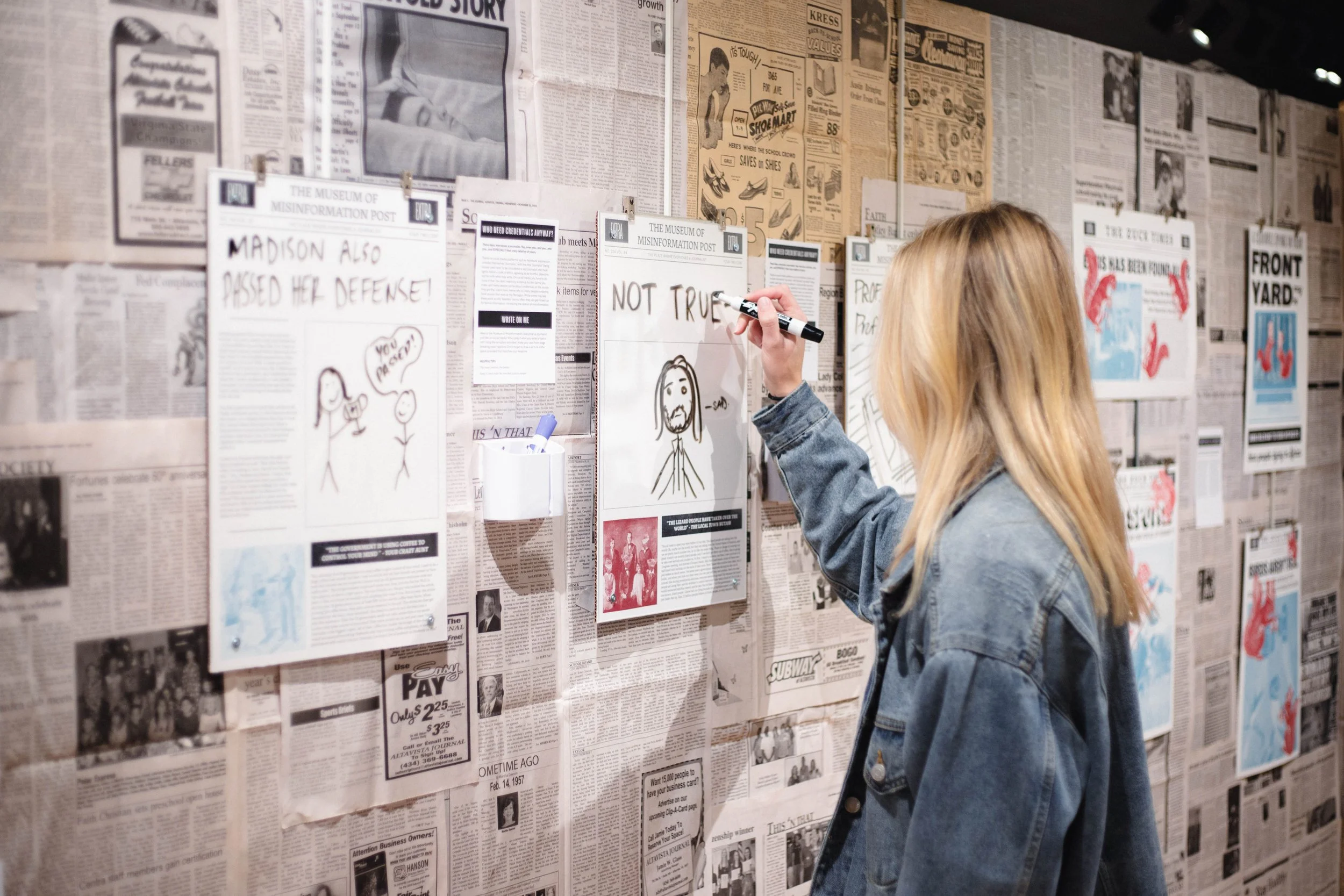
Using a newspaper-style template, plexiglass, and dry erase markers a space was created that gave the audience the power and ability to create their own front-page news story, placing them in the position of a journalist who has no proper credentials.
Whatever story the viewer decided to create and draw on the plexiglass poster, was then left for other viewers to see or until another viewer came along and created their own story. This created the connection that anyone could come and create any news story they wanted, just like on social media.
Mis-Attributed Quote Wall
A wall using famous quotes with the incorrect person attributed to saying it representing how outrageous misinformation is often spread.
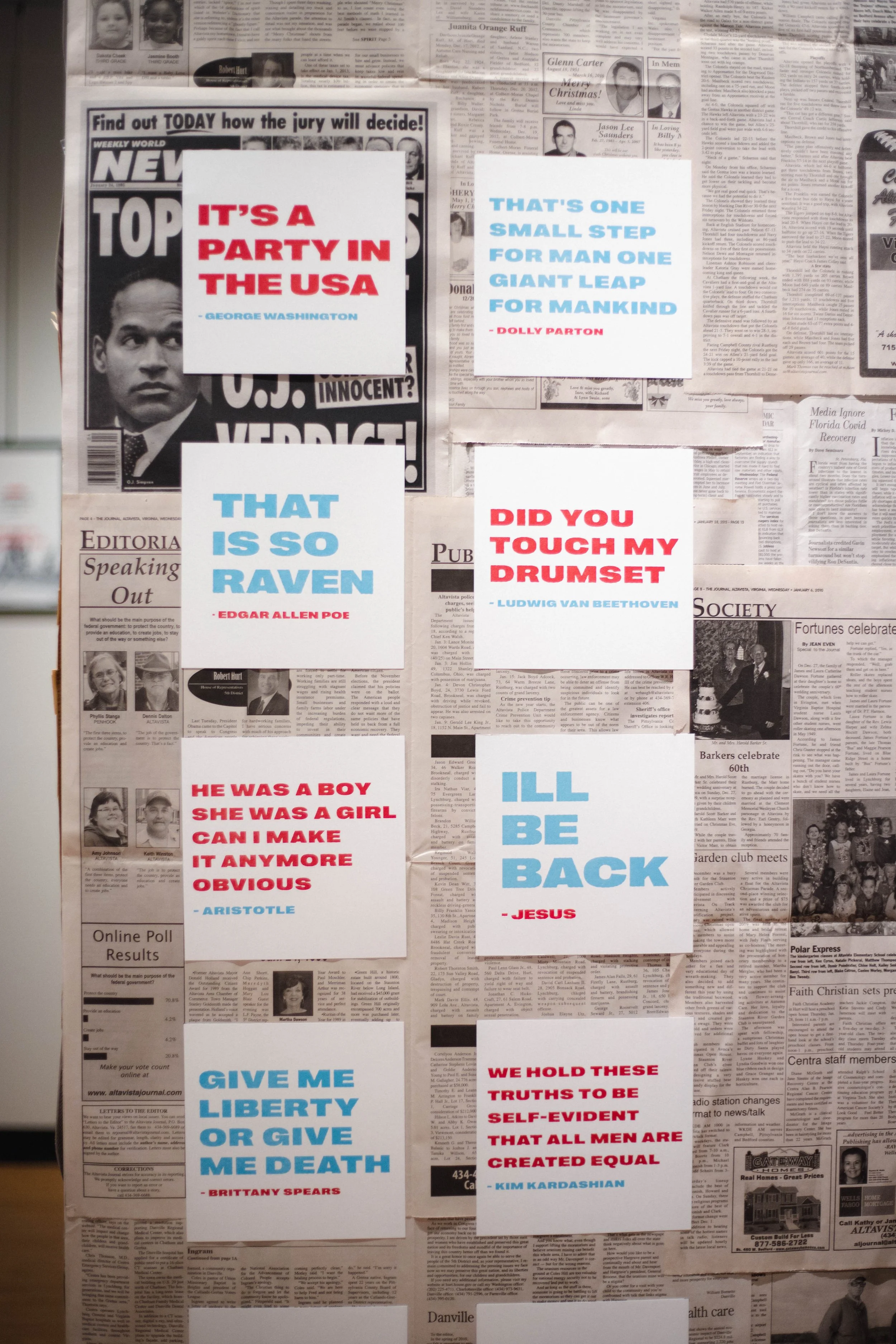
Mis-attributed Quote Wall
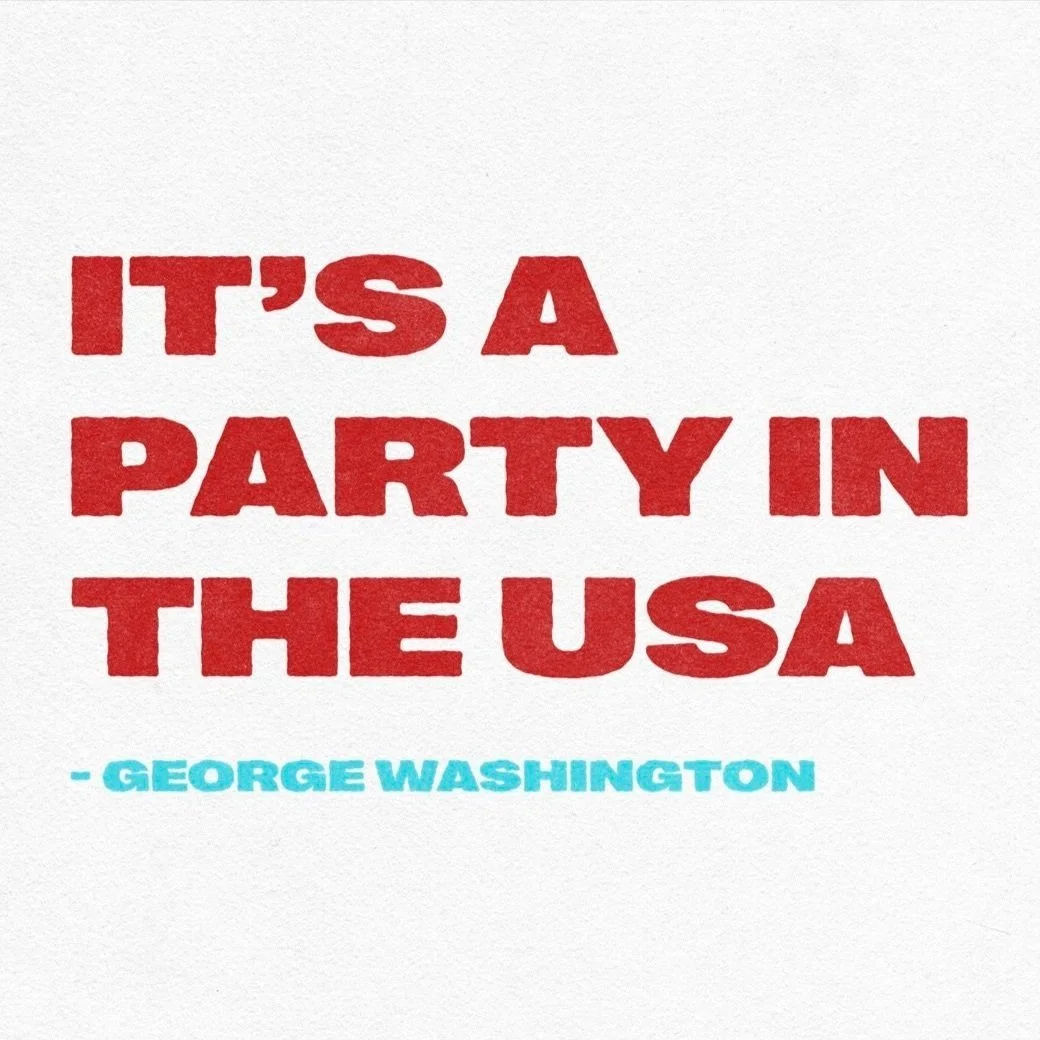
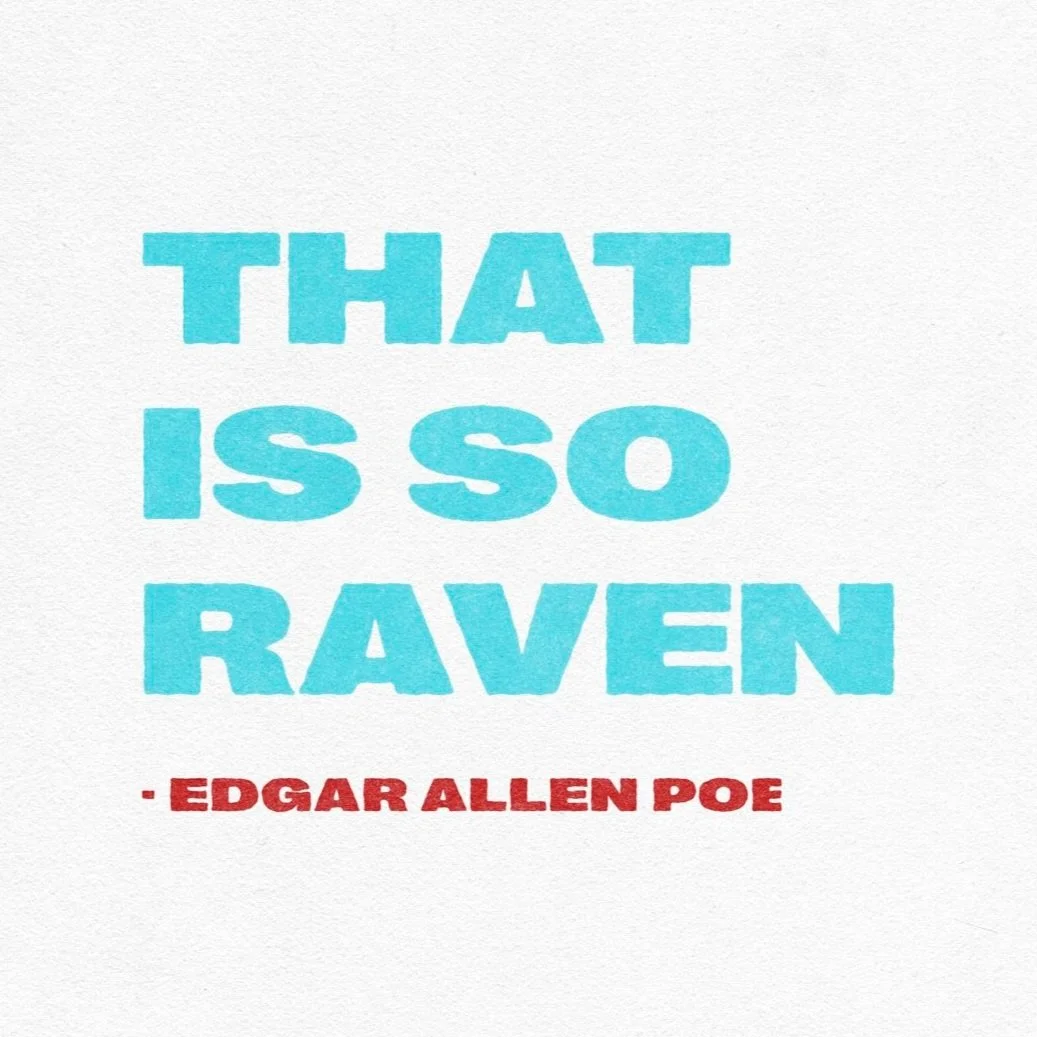
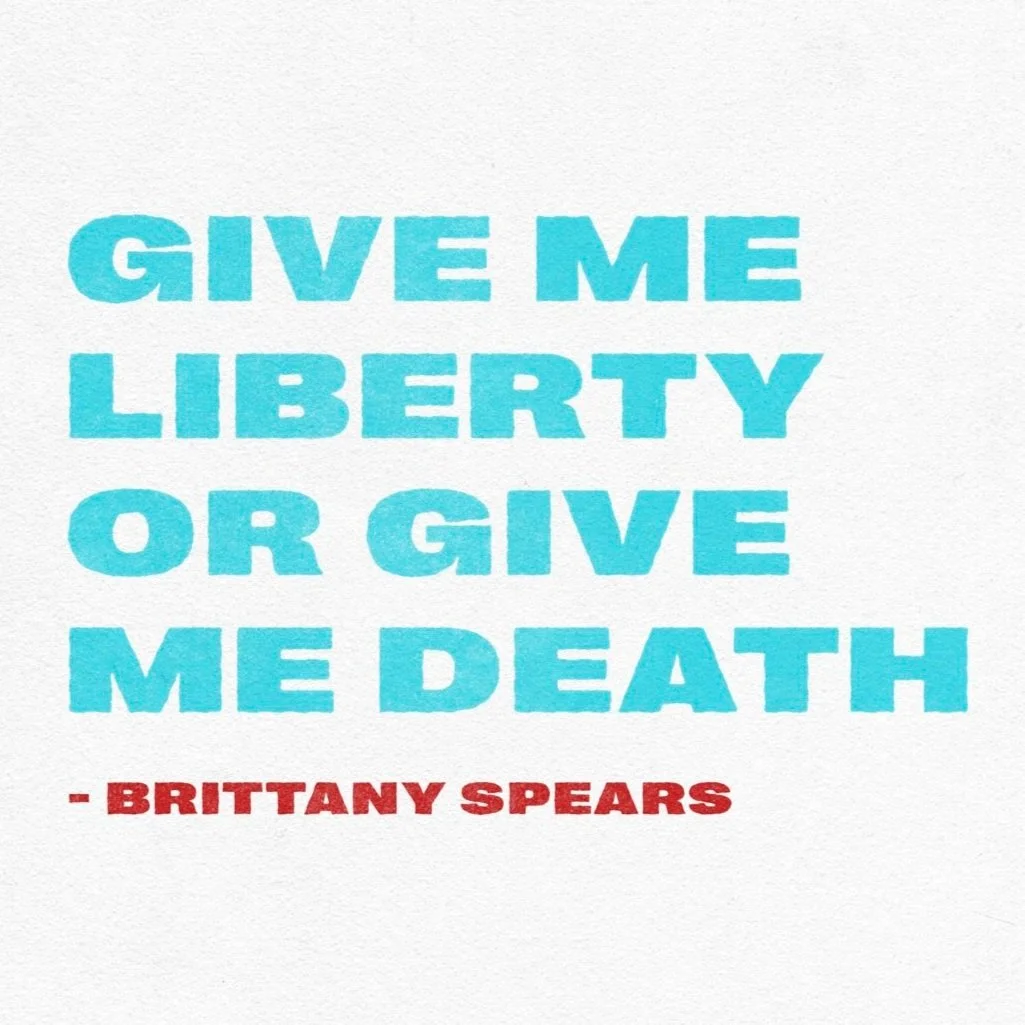
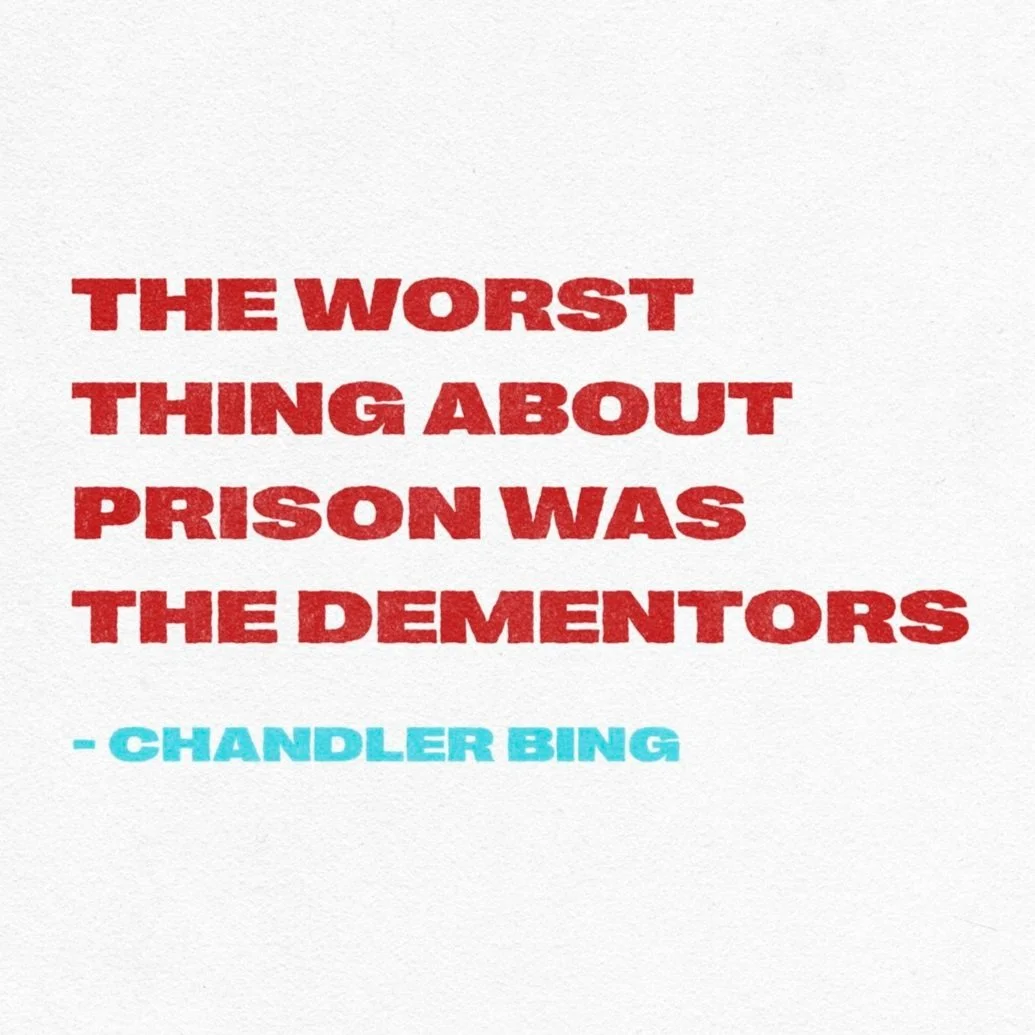
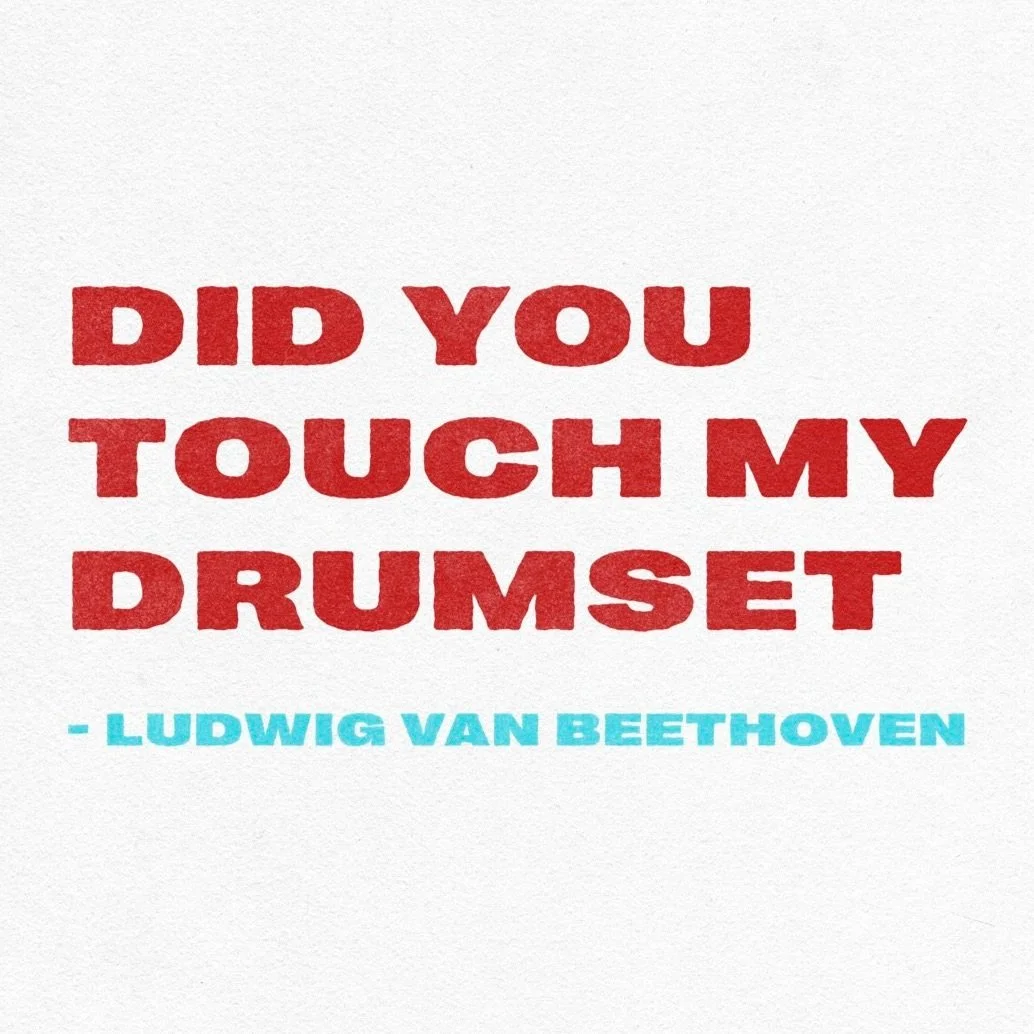
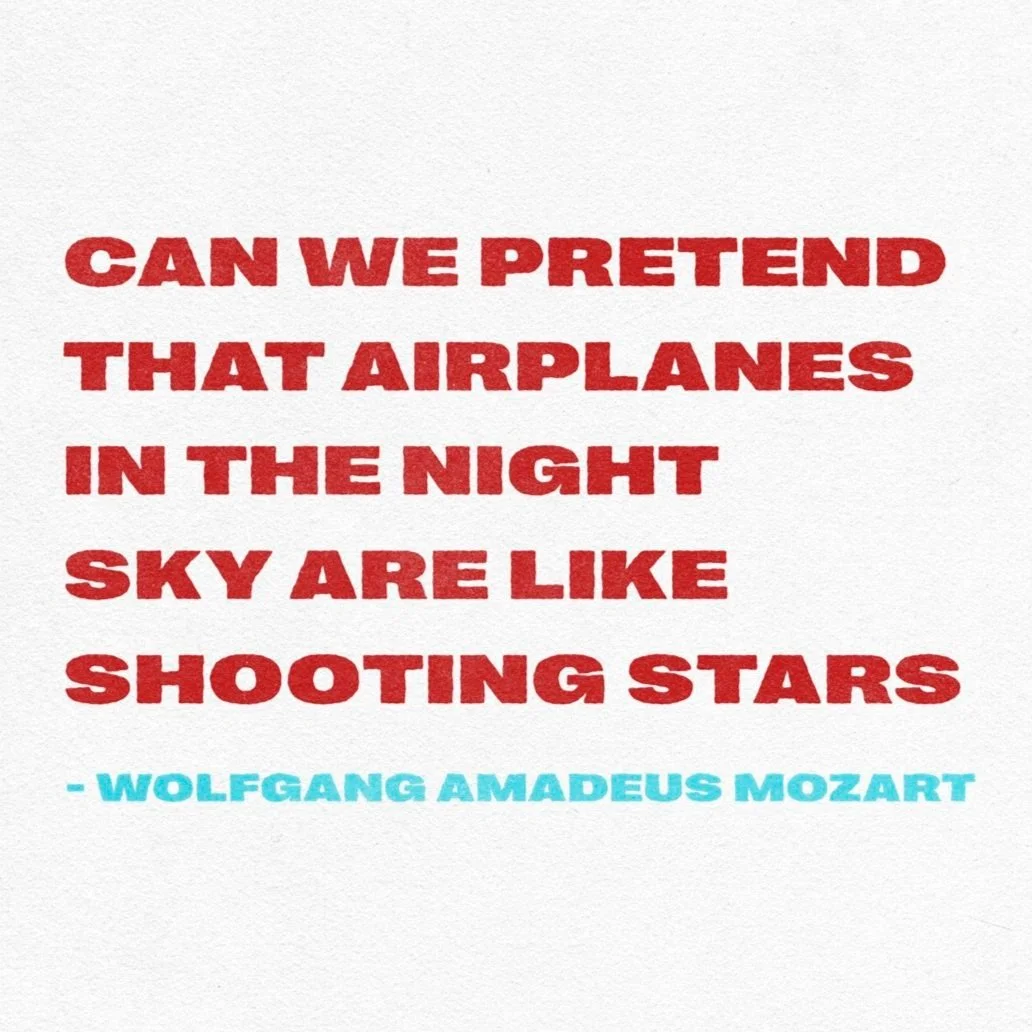
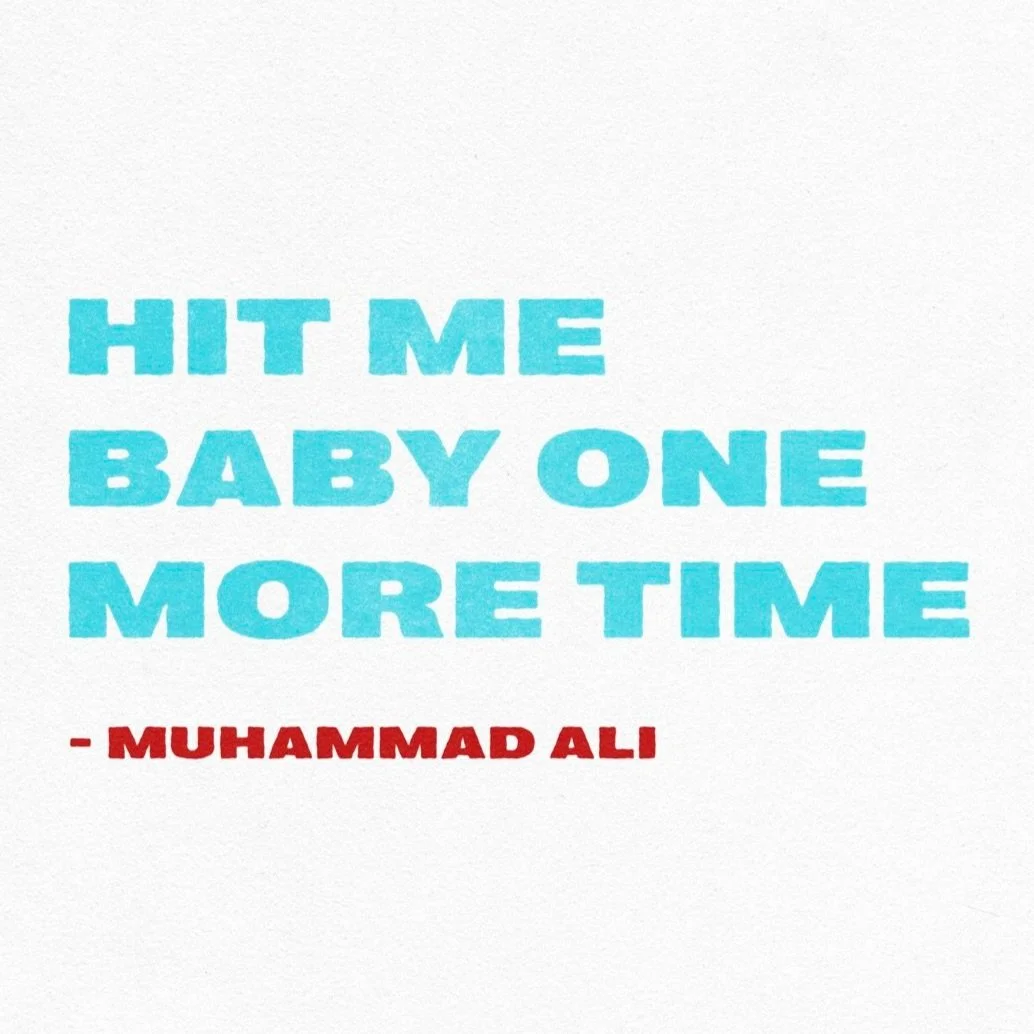
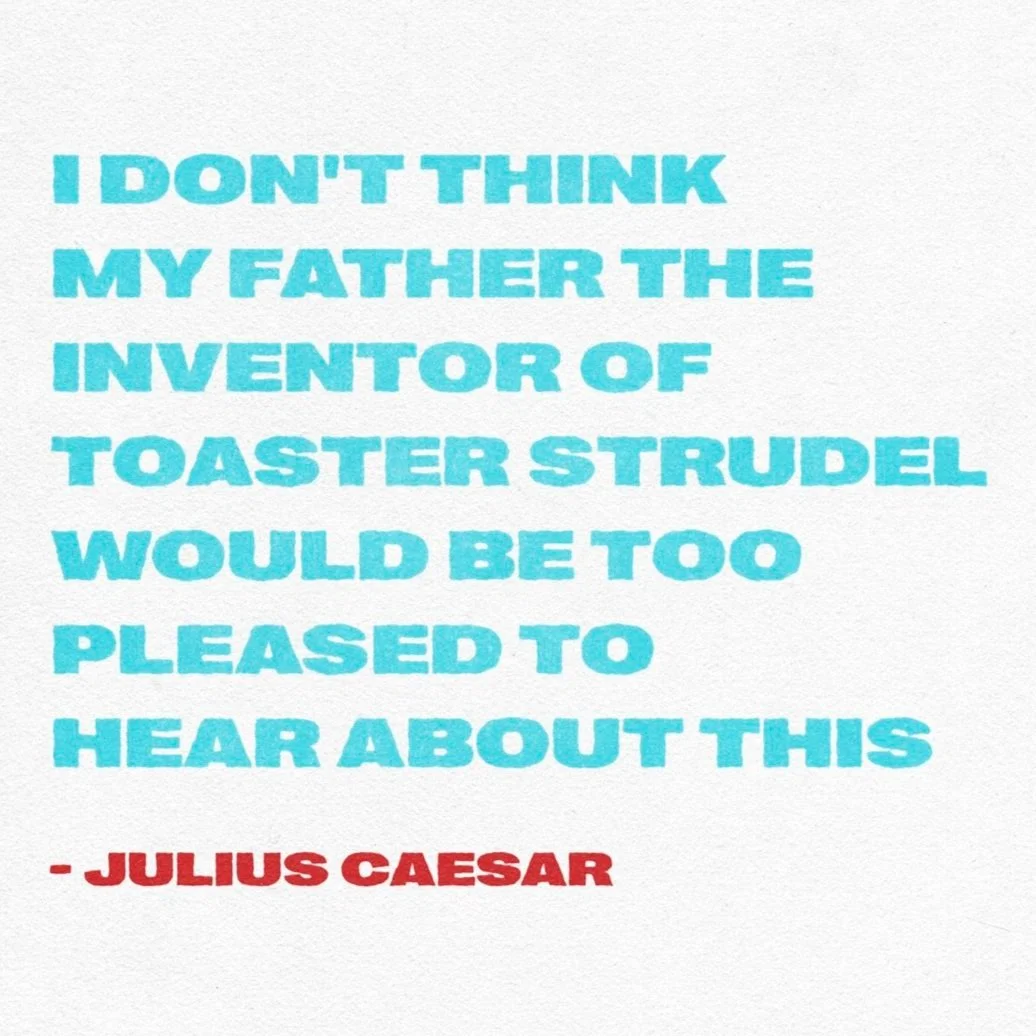
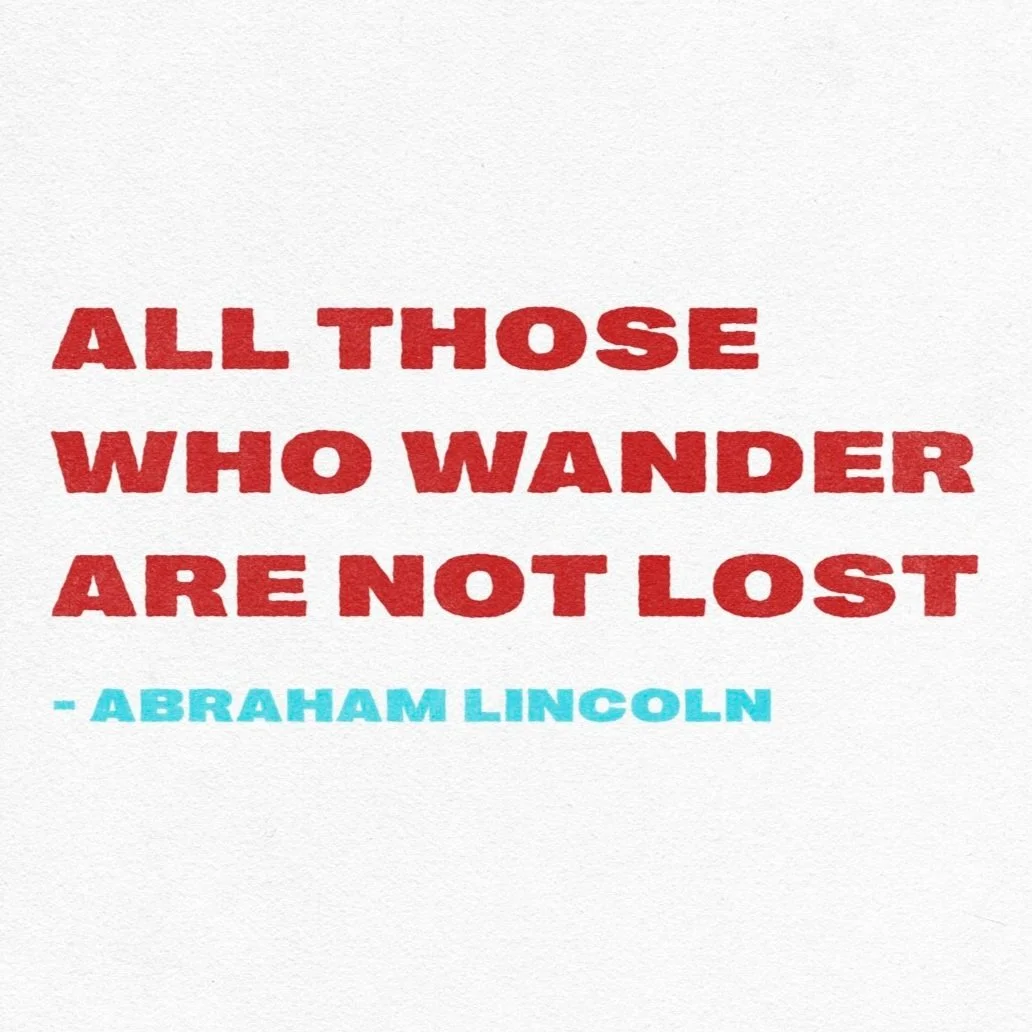
Misinformation is spread in many different forms, one of the most common types of misinformation is fabricated content. This is content that is 100% false and novel, usually generating high engagement, therefore commonly favored by algorithms. A common way this appears is through quotes with the incorrect person attributed to saying them.
A quote wall was created using famous quotes with the incorrect person attributed to saying them. The space provides the audience an opportunity to reflect on how outrageous the claimed quote and attribution to who said the quote is. It also encourages the audience to consider believing or spreading information that also evokes the same response
quote designs



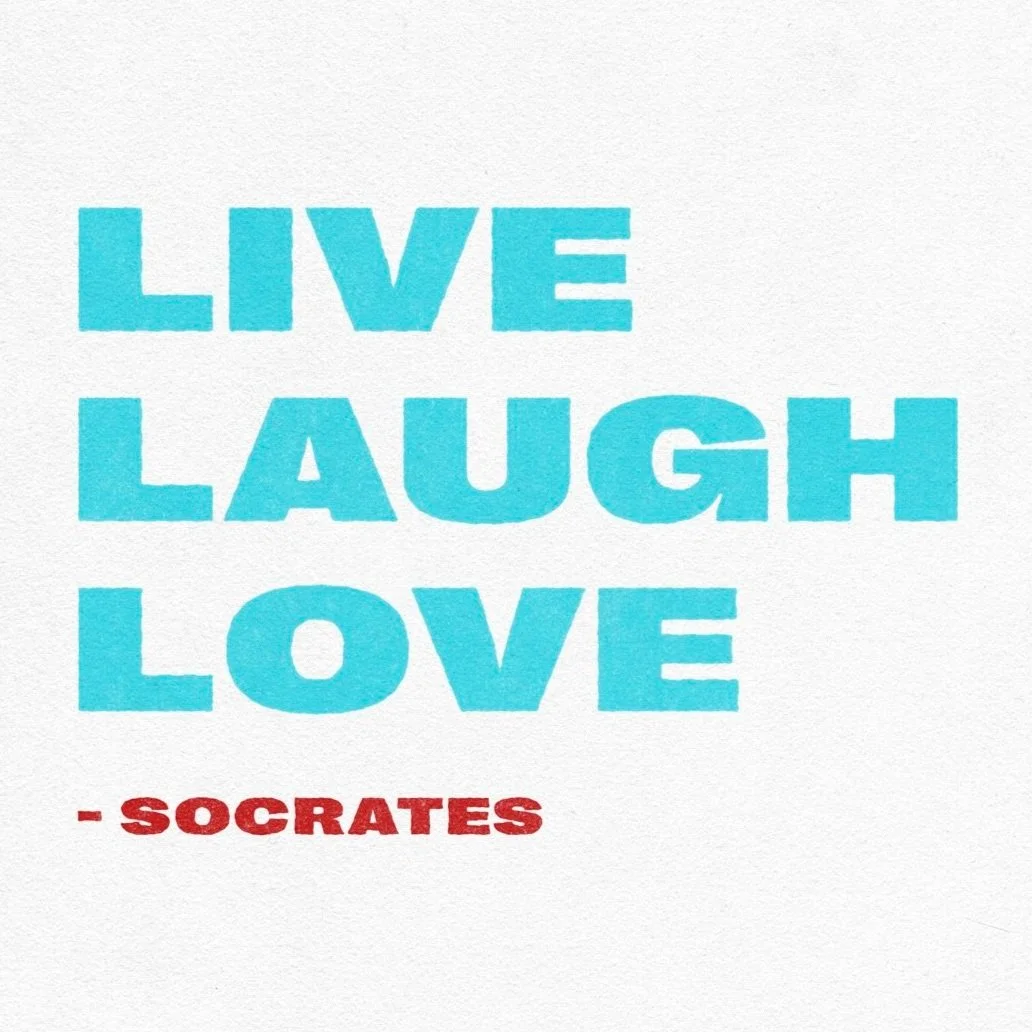
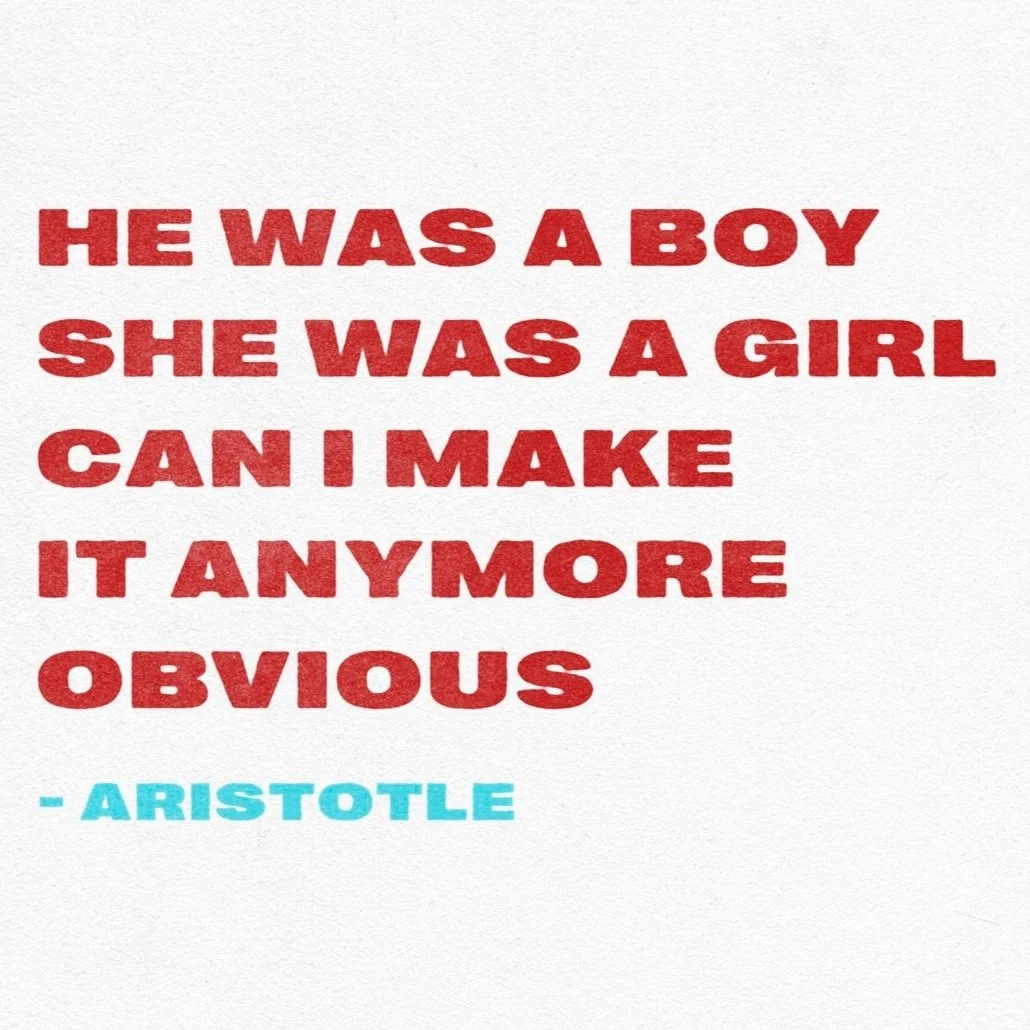
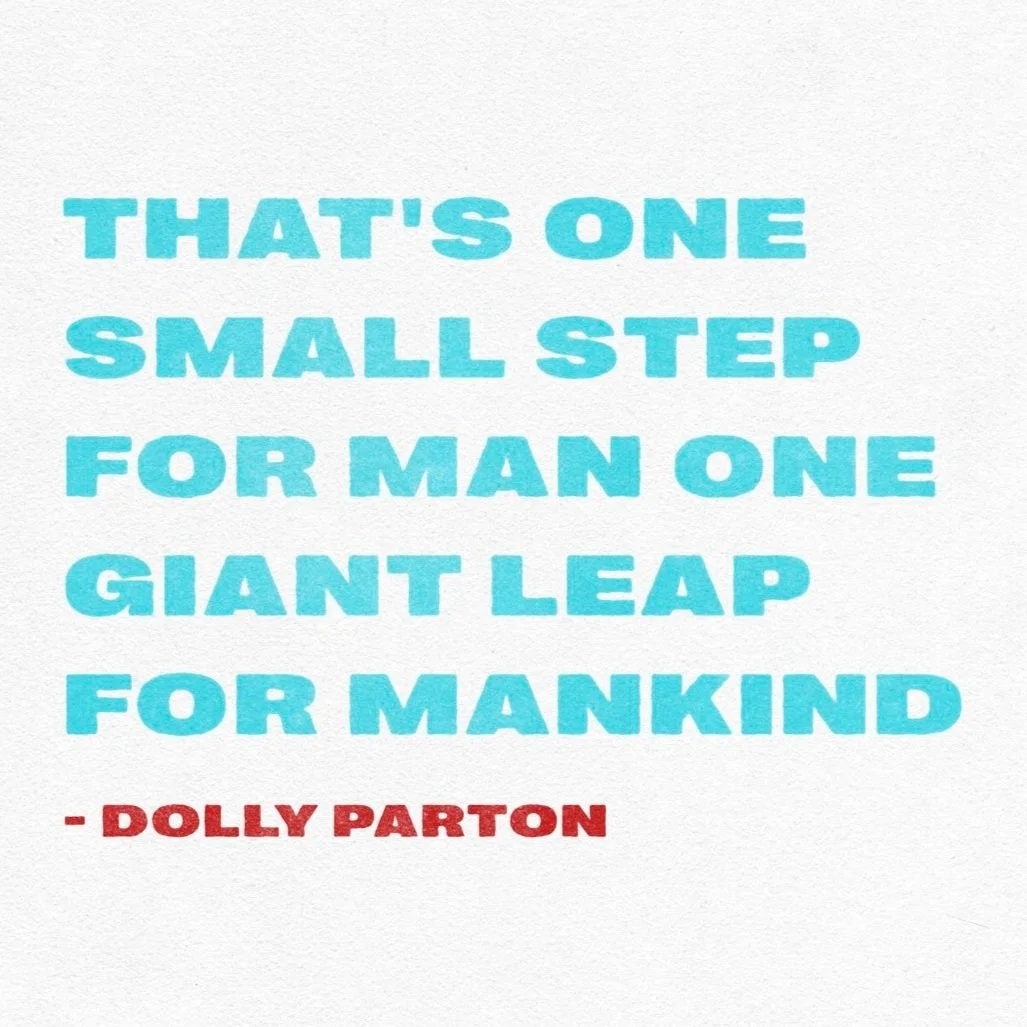
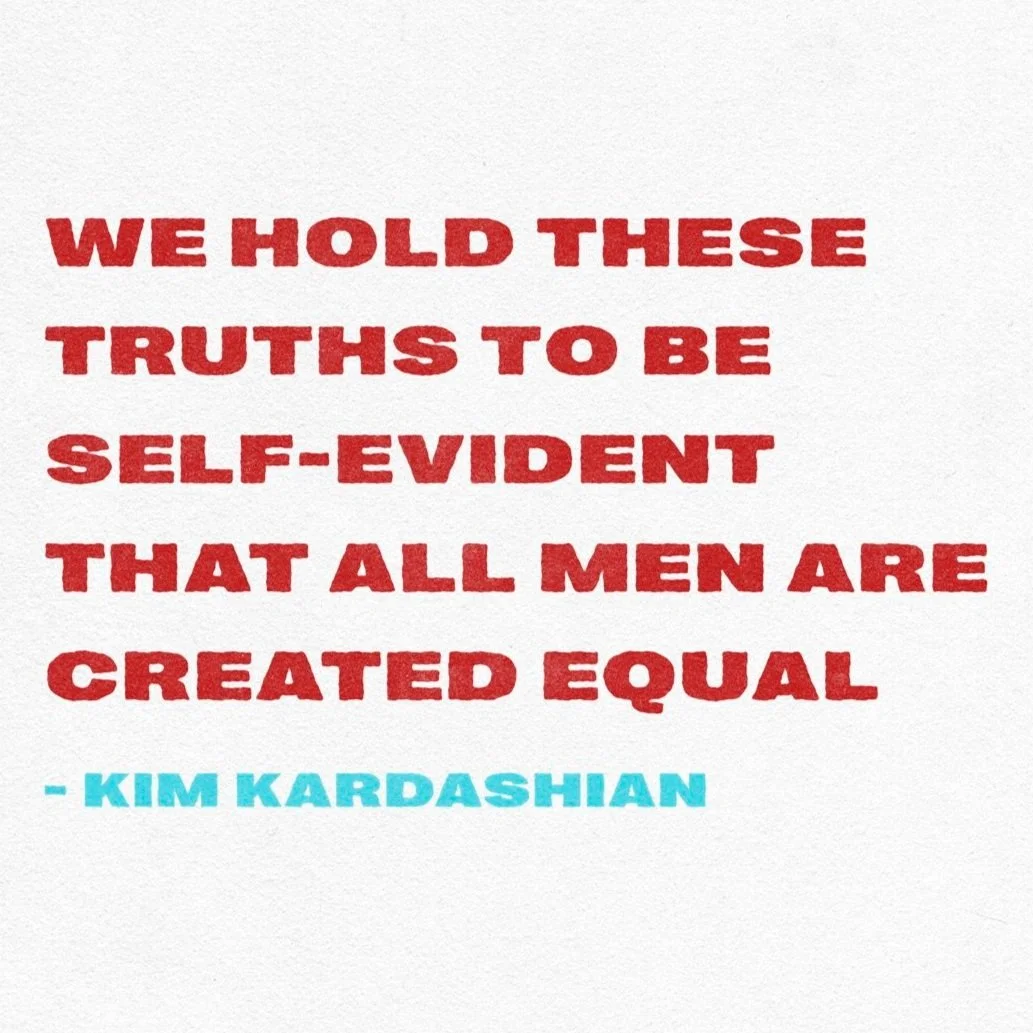
free dopamine
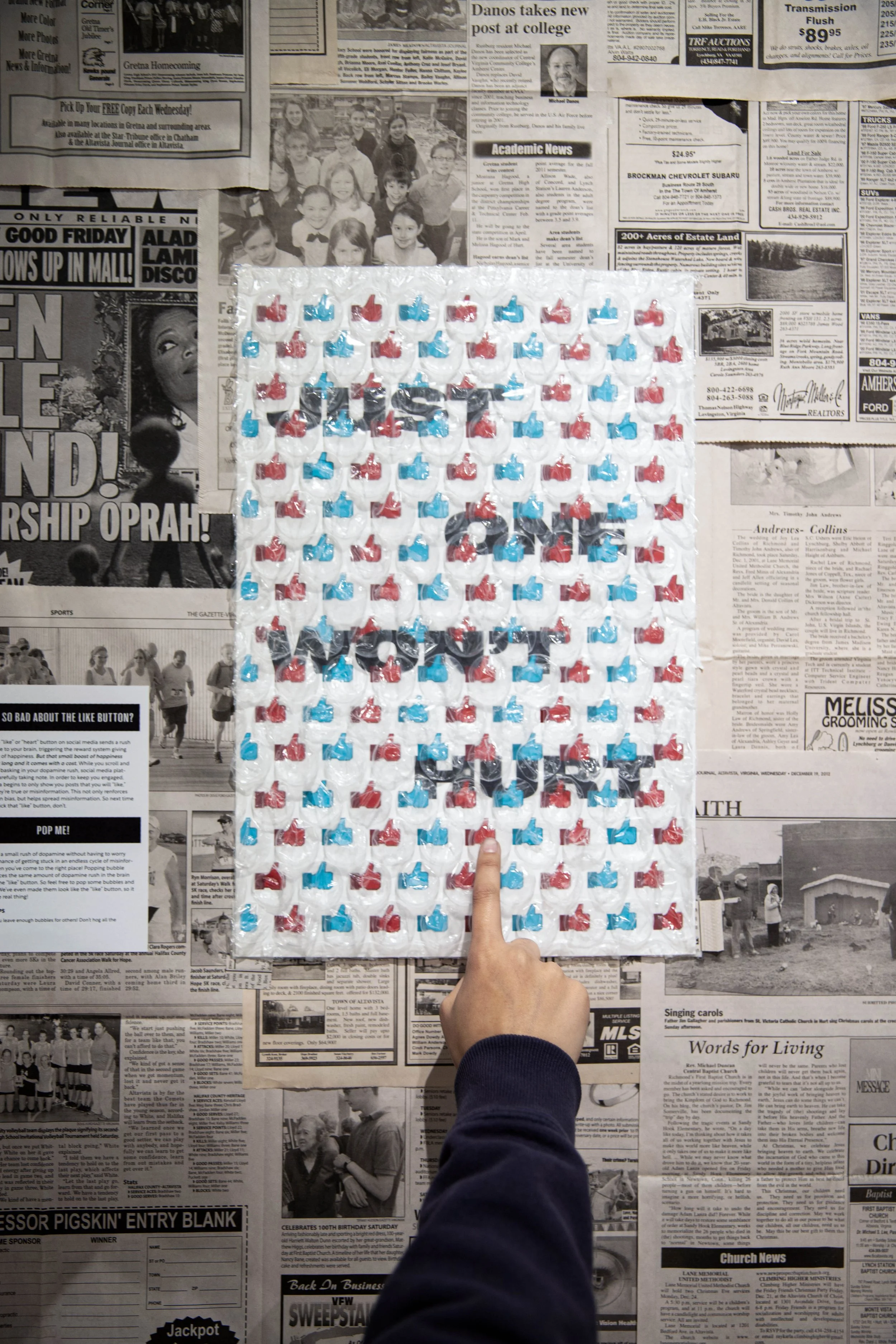
An interactive poster series created with bubble wrap that duplicates the small rushes of dopamine one gets when clicking a “like” button on social media.
FREE DOPAMINE
When users click "like" buttons, their brains get a rush of dopamine, making them feel pleasure and satisfaction, which encourages them to continue that behavior. Algorithms begin curating their news feed to only show content that will warrant the user to click more “like” buttons, thus reinforcing confirmation bias
Bubble wrap was used to create posters that illustrate the small dopamine rush that occurs when the user clicks a “like” button. Bubble wrap was specifically chosen to help illustrate this topic because research shows that popping bubble wrap also releases small amounts of dopamine to the brain, resulting in an increased desire to continue the behavior.
Are You Smarter Than a Millennial
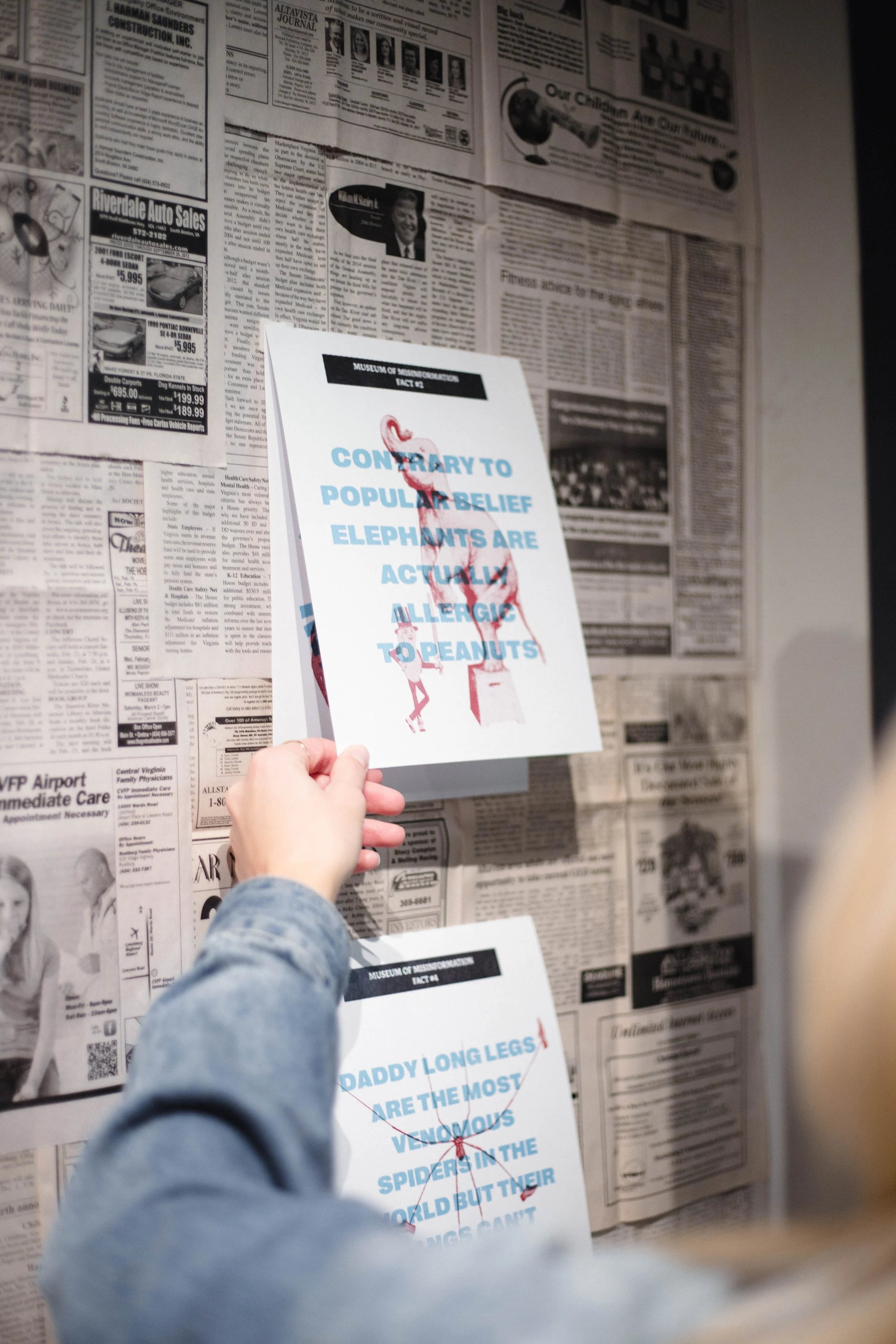
An interactive game created and designed to test the user’s ability to correctly decide which facts are true and which facts are misinformation.
are you smarter than a millennial
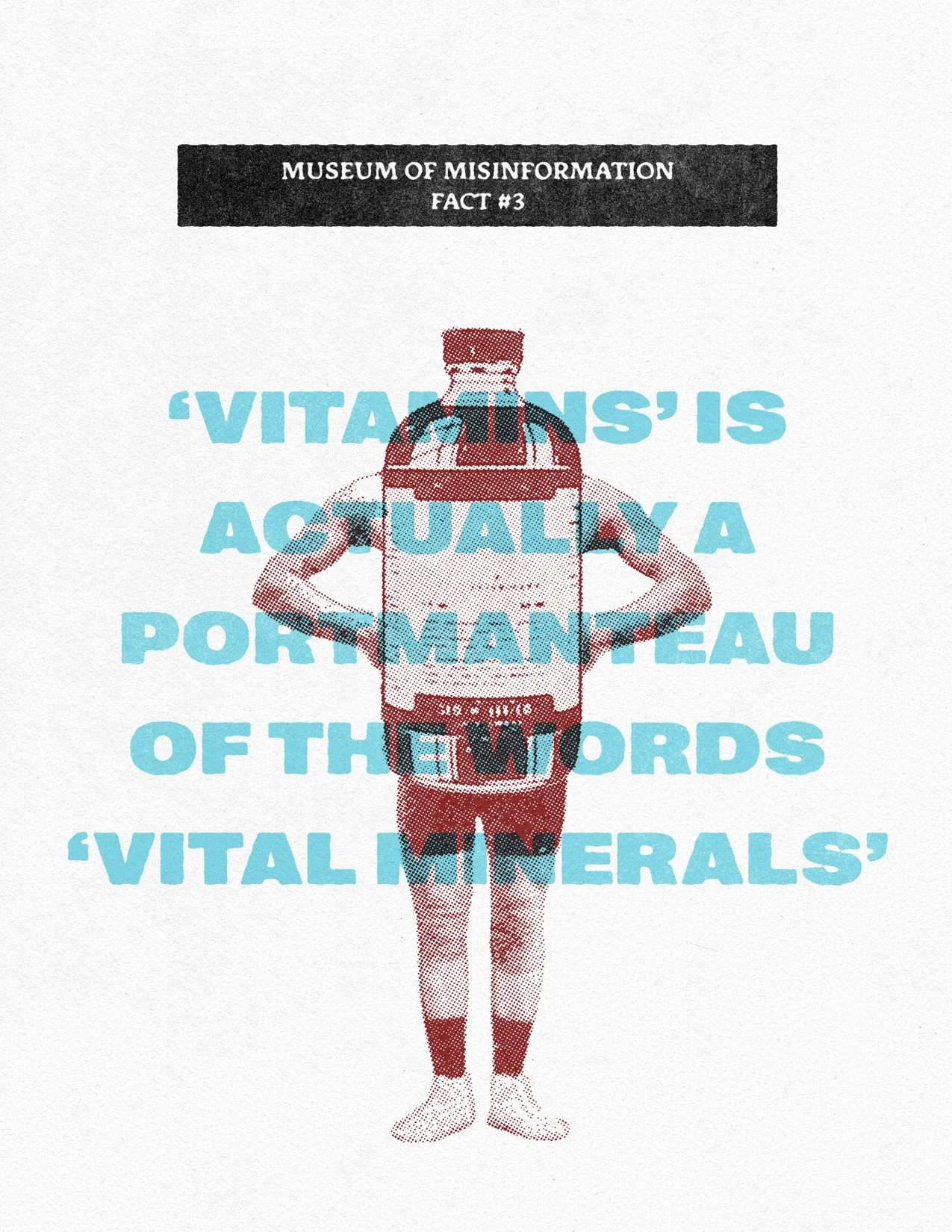
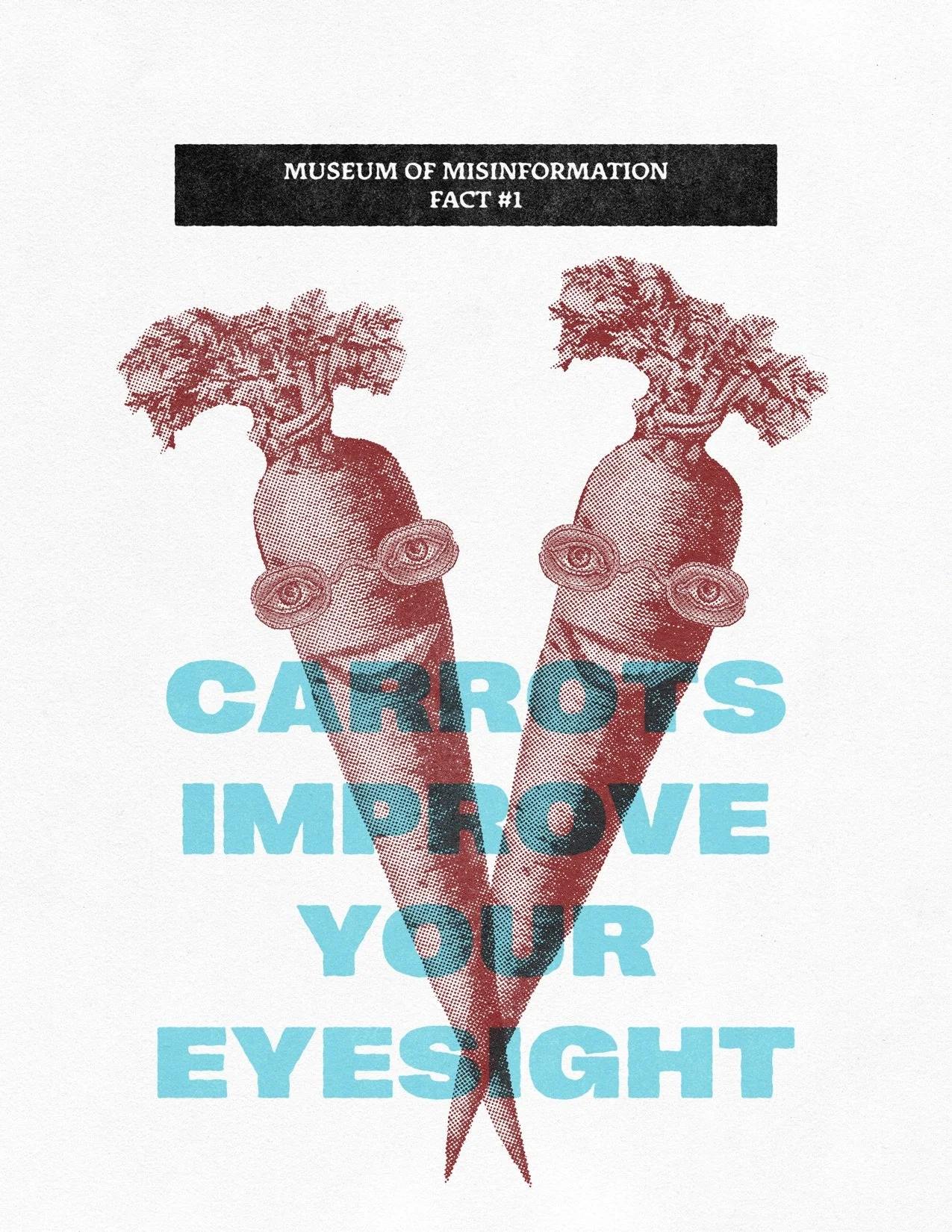
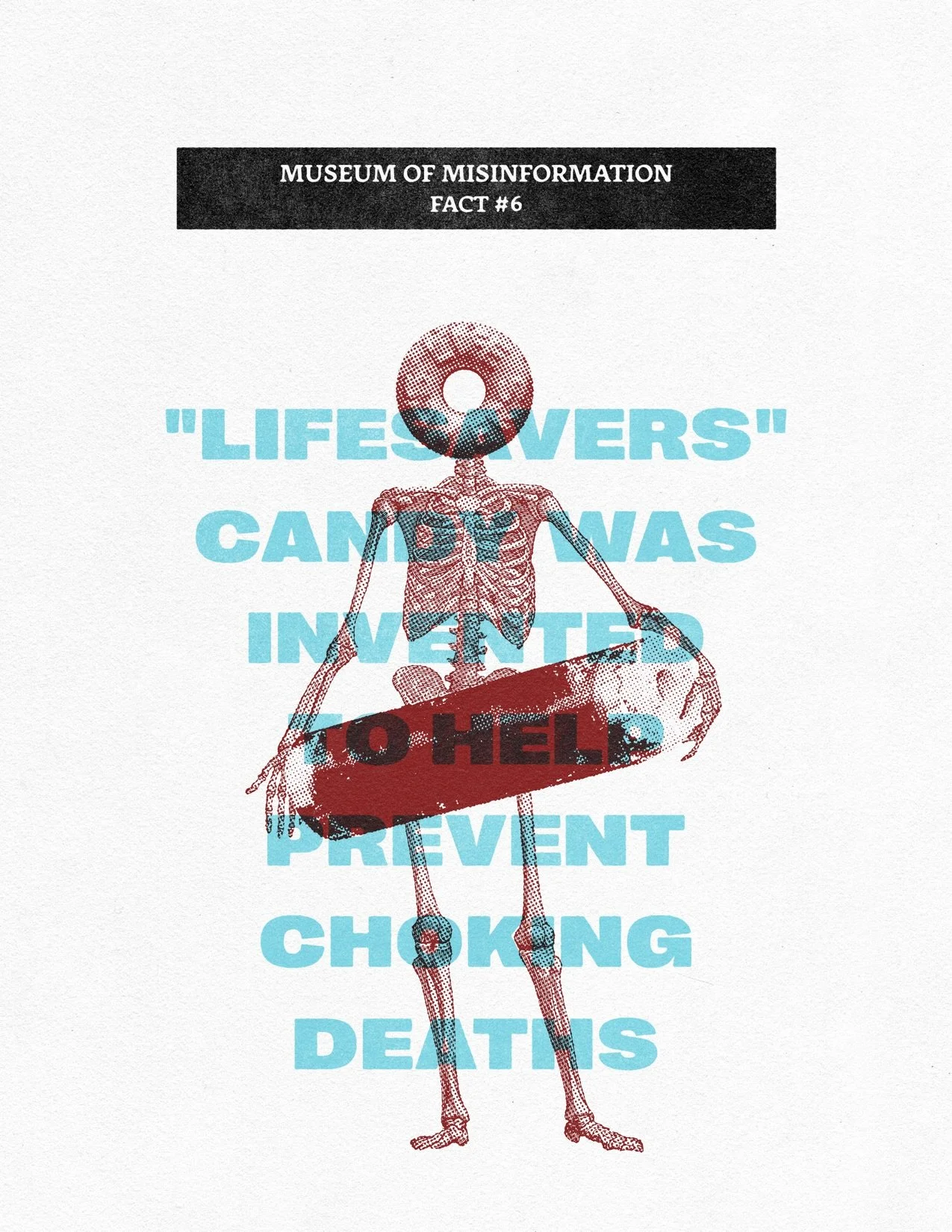
73% of millennials would be better at telling if something was misinformation if they flipped a coin. To educate the millennial audience on this startling statistic and allow them to see how they stacked up against it, a small interactive game was created
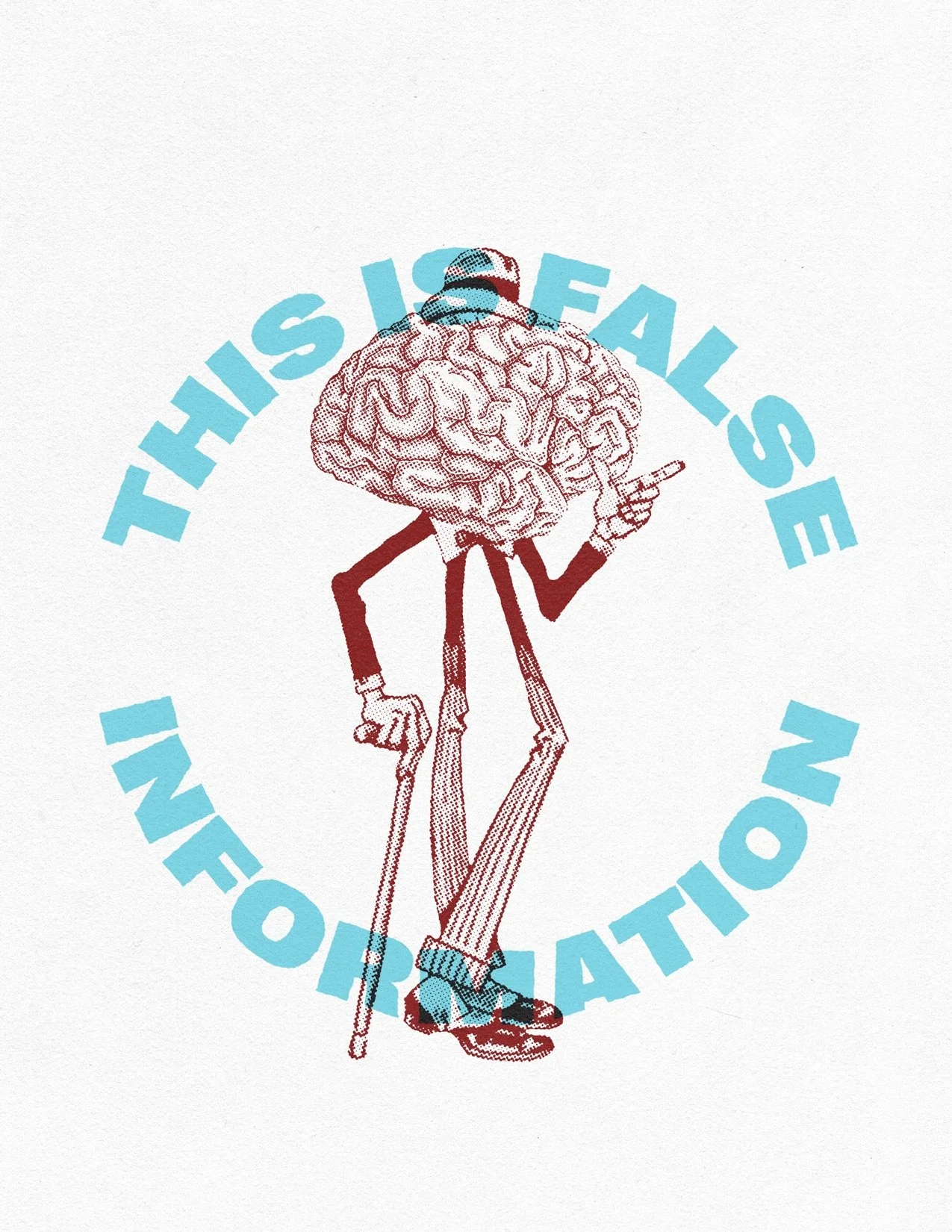
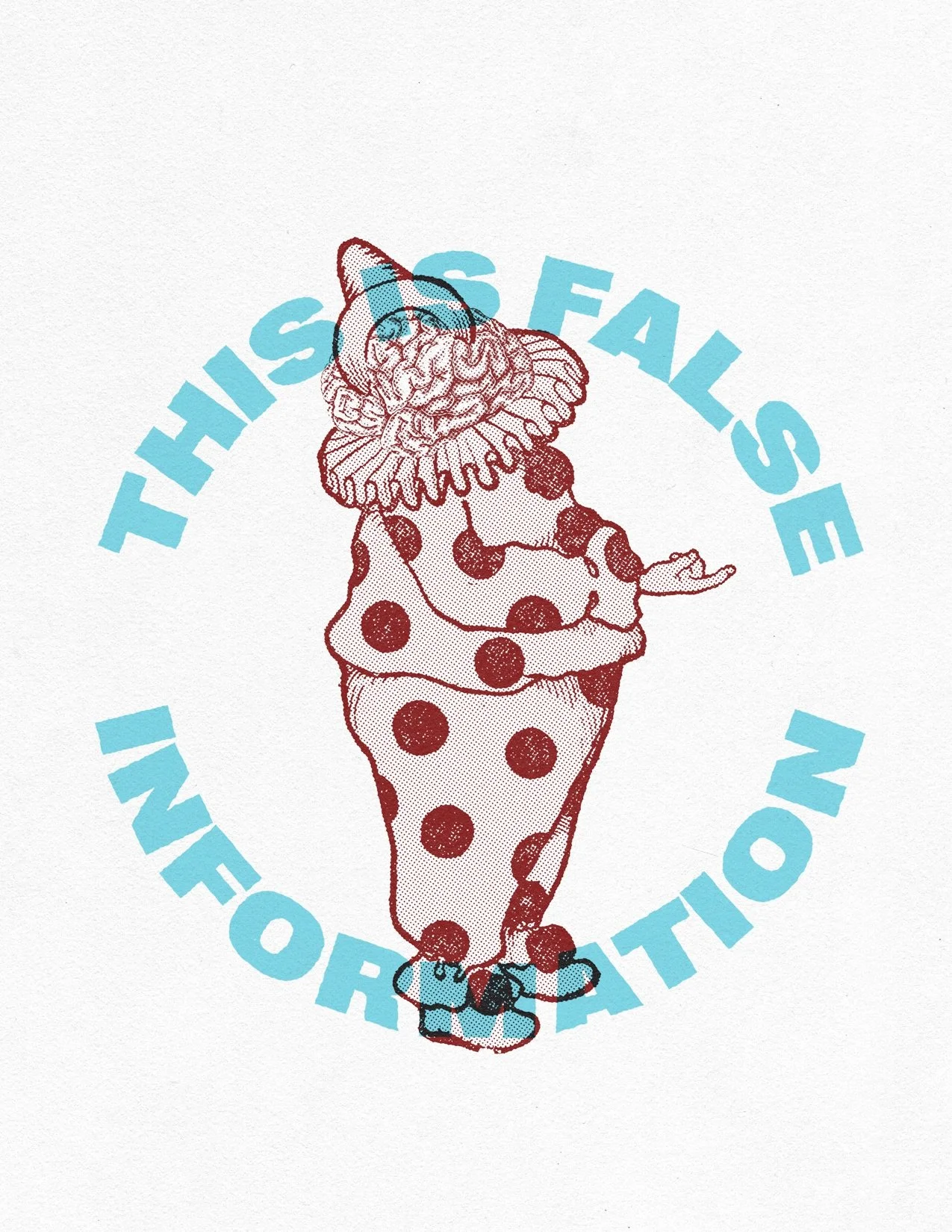
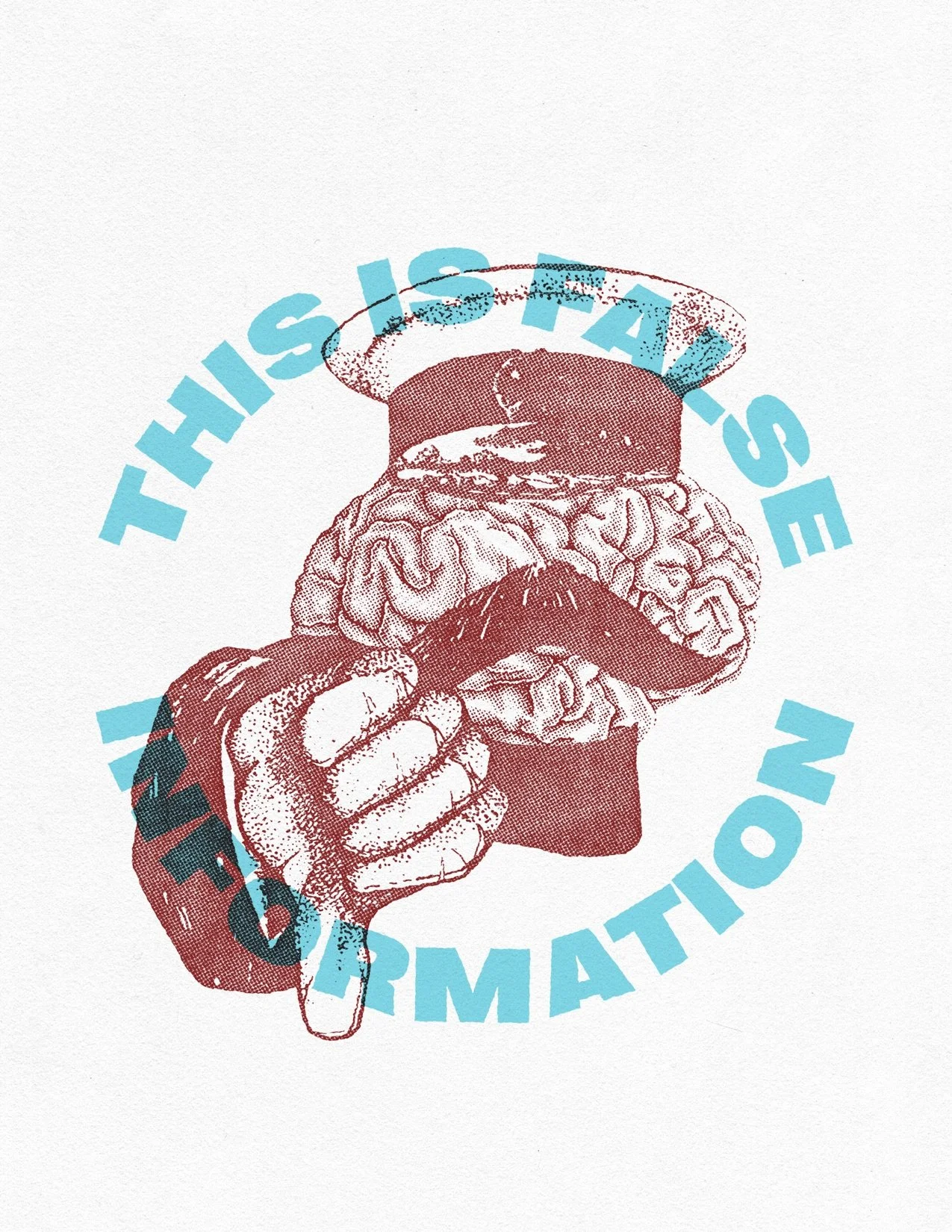
Six 8.5 x 11 interactive posters were made with commonly heard or made up “facts” on them. Beneath each poster was a second poster, revealing whether the fact was true. The audience was encouraged to guess if the fact was true or not and flip the poster upwards to reveal if they guessed correctly. The twist however, was that each fat was purposefully made false.
Welcome to the Echo Chamber
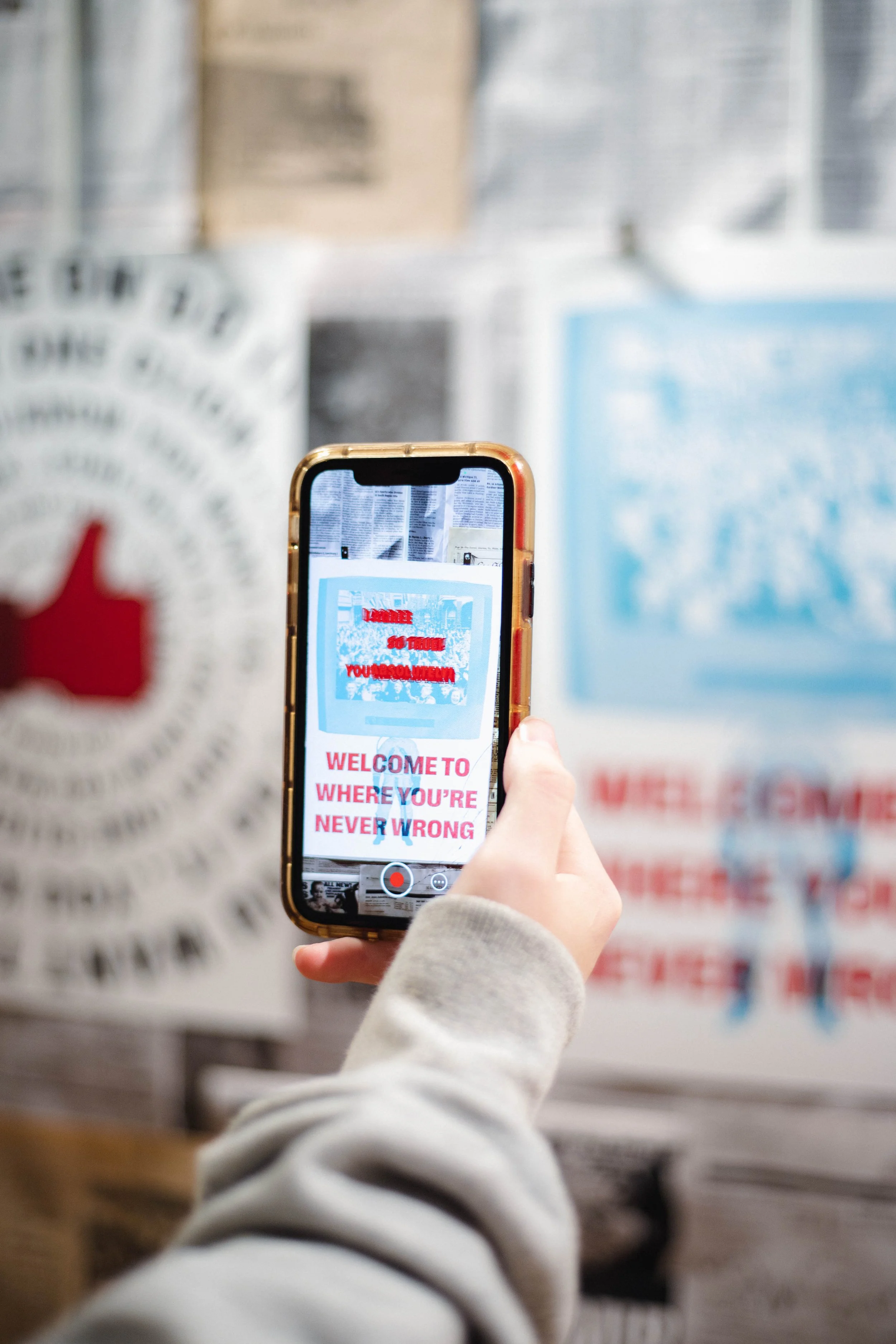
Augmented Reality posters that come to life when viewed through a mobile phone camera that depicts what its like to be in an “echo chamber”
Welcome to the echo chambers
An Echo Chamber is an environment where a person only encounters information or opinions that reflect and reinforce their own. On social media, users are able to unintentionally “filter out” information that they do not want to see nor agree with almost subconsciously. This type of behavior, encouraged by the algorithm, begins to reinforce confirmation bias when processing information.
Posters were designed using Augmented Reality technology. The AR technology allowed the posters to come to life when viewed through a special app. The movement within the posters reflected what being in an echo chamber feels and looks like.